The biggest problem is training all the employees to use the new system. Even if they’re still using the same programs, 80% will complain just because the Start Menu logo is different and the other 20% will complain about something only slightly less irrelevant. Then there’s the IT department having to change their workflows (their complaints are actually valid). Then there’s the downtime during the transition and the sunken costs of whatever support packages the company had hired previously… Yeah, transitioning a company to a new OS is hard.
I work a a software company that mainly develops one online software and people are used to work with computers. But even here I feel like there is some strange invisible barrier.
IT was trained to work on windows. What we do - everything works. The cost is there, calculated, it’s actually pretty small compared to everything else.
Changing is just unimaginable for a company like that - to take this risk, and for so little upside.
At a user level, almost no one would have an issue. But at the process level, damn.
Meh, Windows server is still pretty stable. At least up through 2022, I think 2025 is the Windows 11-based version. I haven’t really used it, but I know it brings the Windows 11 with it.
We still use AD at work as an auth backend to our Linux and other SSO systems. Our CAs are Windows too, I think.
Proper accounting would consider the costs of retraining against the existing vendor. After all, that’s vendor lock-in, which your vendor will use to raise prices…


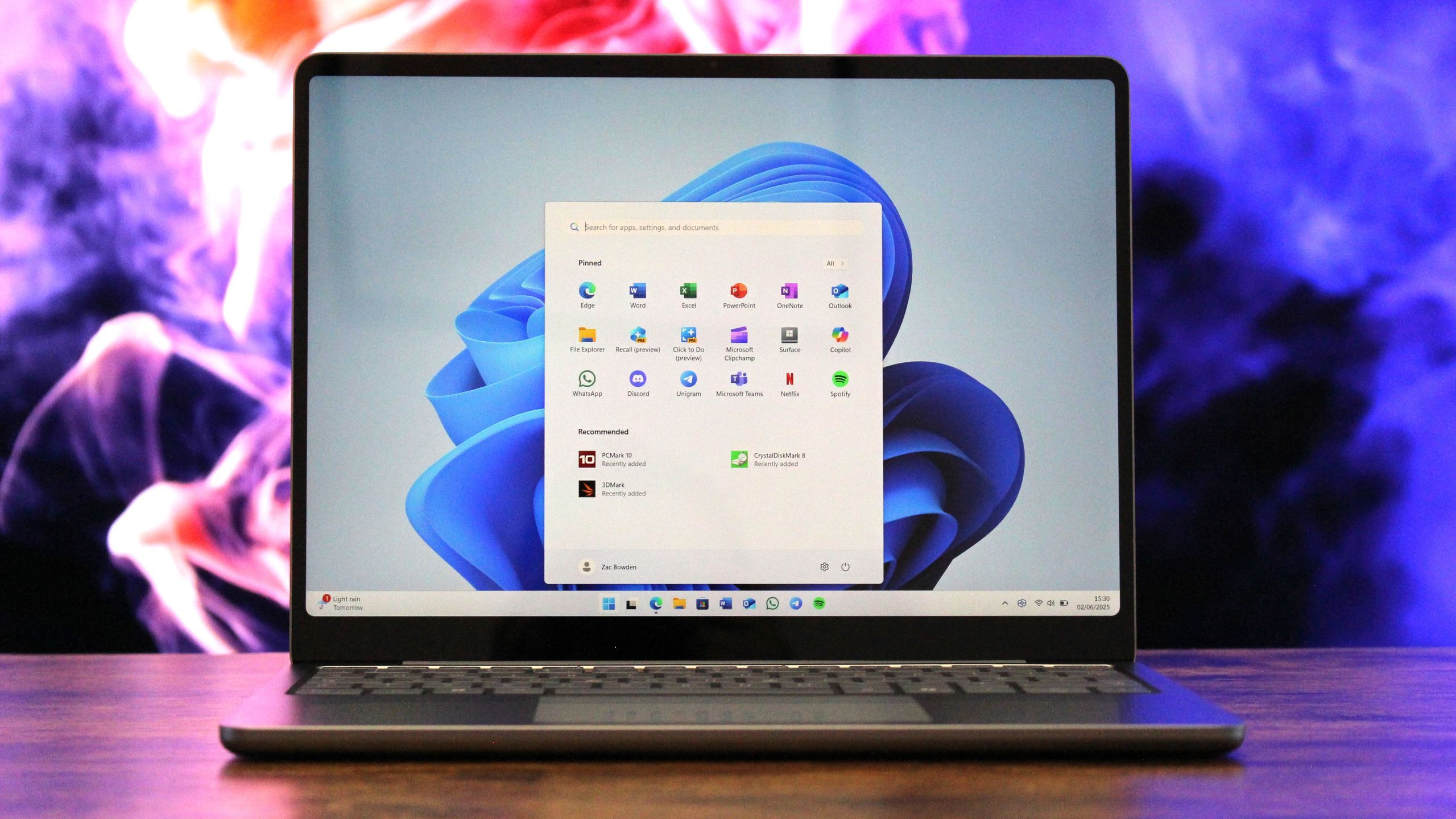
The biggest problem is training all the employees to use the new system. Even if they’re still using the same programs, 80% will complain just because the Start Menu logo is different and the other 20% will complain about something only slightly less irrelevant. Then there’s the IT department having to change their workflows (their complaints are actually valid). Then there’s the downtime during the transition and the sunken costs of whatever support packages the company had hired previously… Yeah, transitioning a company to a new OS is hard.
I work a a software company that mainly develops one online software and people are used to work with computers. But even here I feel like there is some strange invisible barrier.
IT was trained to work on windows. What we do - everything works. The cost is there, calculated, it’s actually pretty small compared to everything else.
Changing is just unimaginable for a company like that - to take this risk, and for so little upside.
At a user level, almost no one would have an issue. But at the process level, damn.
Especially if you’re an Active Directory shop. Switching out that infrastructure is a heavy lift.
Meh, Windows server is still pretty stable. At least up through 2022, I think 2025 is the Windows 11-based version. I haven’t really used it, but I know it brings the Windows 11 with it.
We still use AD at work as an auth backend to our Linux and other SSO systems. Our CAs are Windows too, I think.
Proper accounting would consider the costs of retraining against the existing vendor. After all, that’s vendor lock-in, which your vendor will use to raise prices…