As someone who’s learned Japanese a bunch: once you’re very familiar with the symbols, you don’t look at every little line to determine what character it is, just the general shape. The characters are built by combining a discrete and smaller set of “drawings” (called radicals). So the space of possible characters is limited to those combinations. On top of that, not every legal combination actually exists. You won’t suddenly run into 鬱, but with a different radical in the bottom left, unless you’re playing a trivia game of “spot the mistake” (which can even be difficult for native speakers, just in the same way it can be difficult for native English speakers to spell some words they’d have no trouble reading.)
I would wager some misplaced lines wouldn’t hurt readabiliity much in the same way we, in English aren’t usually struggling to read a sentence even if some of the letters are swapped/missing or a “the” is duplicated, etc. I’m sure you’ve seen examples of that before in English (or your own native language if it isn’t English).
Of course in some instances, even a tiny difference can change the meaning of a sentence entirely. This is also true both in English and logographic languages. Luckily our brains do a lot of subconscious work here too and figure out where special attention is and isn’t needed by using context and knowledge about the writing system.
(Small caveat: of course, especially in languages, there are always exceptions to every rule. And also the brain can be tricked, intentionally or not, in a variety of ways.)


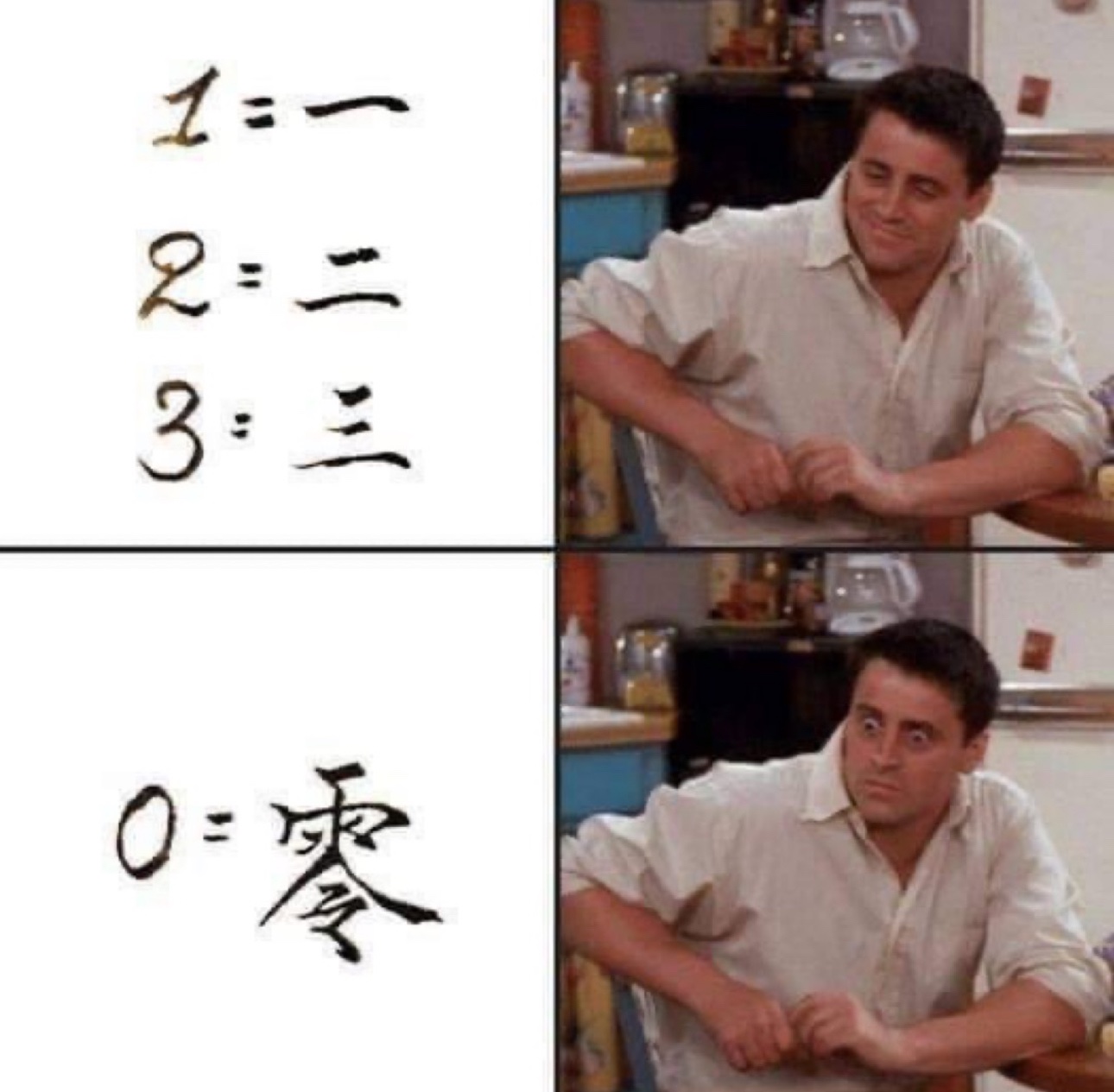
As someone who’s learned Japanese a bunch: once you’re very familiar with the symbols, you don’t look at every little line to determine what character it is, just the general shape. The characters are built by combining a discrete and smaller set of “drawings” (called radicals). So the space of possible characters is limited to those combinations. On top of that, not every legal combination actually exists. You won’t suddenly run into 鬱, but with a different radical in the bottom left, unless you’re playing a trivia game of “spot the mistake” (which can even be difficult for native speakers, just in the same way it can be difficult for native English speakers to spell some words they’d have no trouble reading.)
I would wager some misplaced lines wouldn’t hurt readabiliity much in the same way we, in English aren’t usually struggling to read a sentence even if some of the letters are swapped/missing or a “the” is duplicated, etc. I’m sure you’ve seen examples of that before in English (or your own native language if it isn’t English).
Of course in some instances, even a tiny difference can change the meaning of a sentence entirely. This is also true both in English and logographic languages. Luckily our brains do a lot of subconscious work here too and figure out where special attention is and isn’t needed by using context and knowledge about the writing system.
(Small caveat: of course, especially in languages, there are always exceptions to every rule. And also the brain can be tricked, intentionally or not, in a variety of ways.)