

- cross-posted to:
- science@lemmy.world
- cross-posted to:
- science@lemmy.world
I’ve been hearing about these for a few years now. Huge if they work out at a large scale.
I’ve been hearing about these for a few years now. Huge if they work out at a large scale.
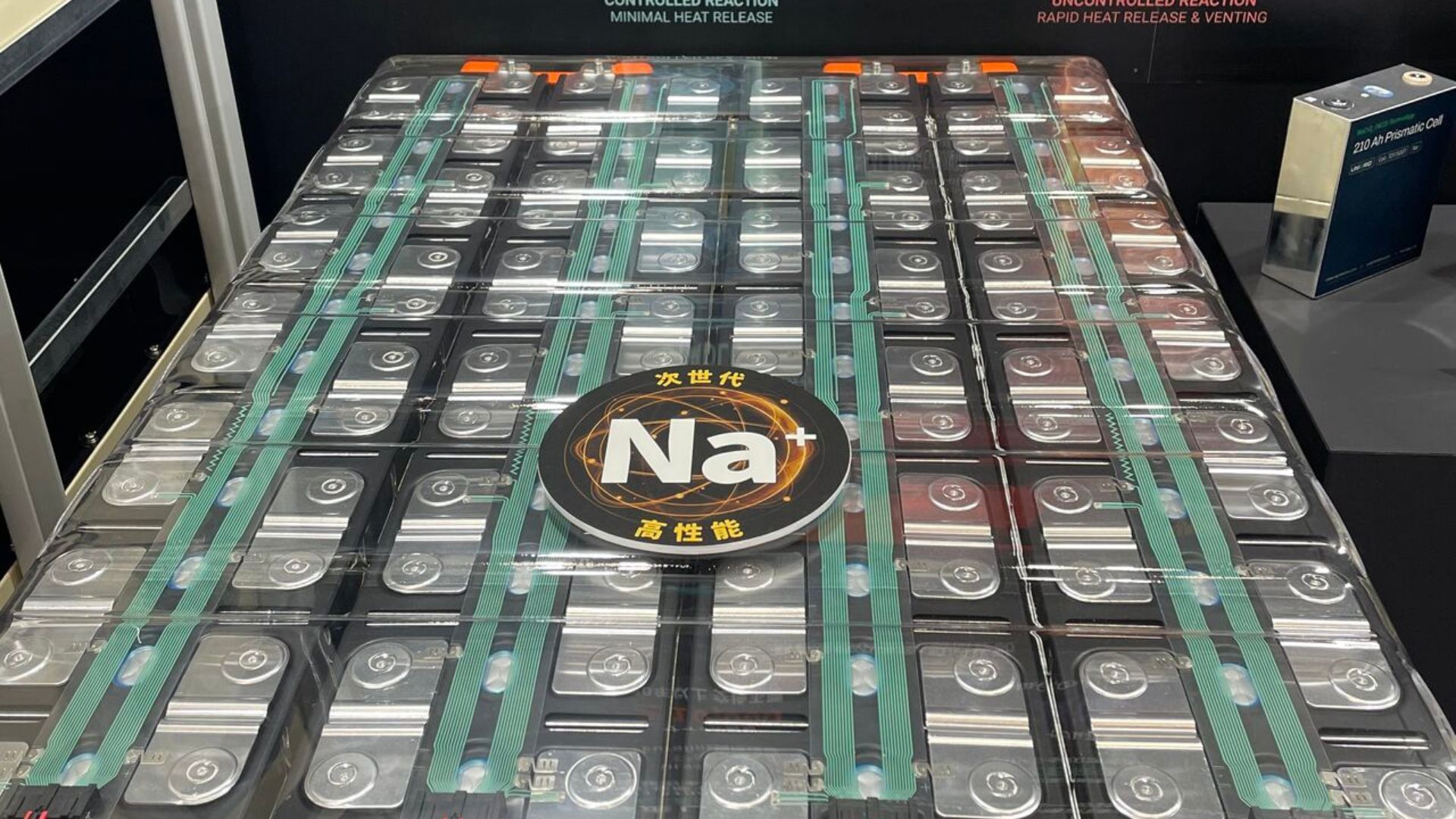
I’ve been doing some looking into sodium ion batteries for the last couple of months and it sounds like it’s going to drastically reduce the price of batteries and sodium ion is more thermally stable and can handle cold temperatures of negative 40 and can handle hot temperatures.
I’m also hearing charge cycle counts around 10,000, which would be something like 20 years worth of battery usage.
The current downside is power density and even that is not terrible as it’s pretty close to what LFP does now and They think they can improve it more in the future.
Sodium ion is already being used in some mass market cars that don’t need an incredible range, but need to be economical.
If it’s cheap and abundant enough you can have overcapacity and it easily lasts 30 years - which apparently is an important breakpoint for infrastructure project funding.
It’s the maintenance period on lots of infrastructure.
What it means isnthe private investors are more likely to bid to build power storage infrastructure for governments because it’s less likely they’ll ever have to change out the cells during the contract.
On the flip side, governments would kinda like them to work for 25 years so they’ll go 50 years without having to buy new cells.
Heck, if energy density is an issue the use this initially for grid storage, home solar, etc. where a larger size isn’t a huge deal. That would increase existing lithium ion supplies for EVs.