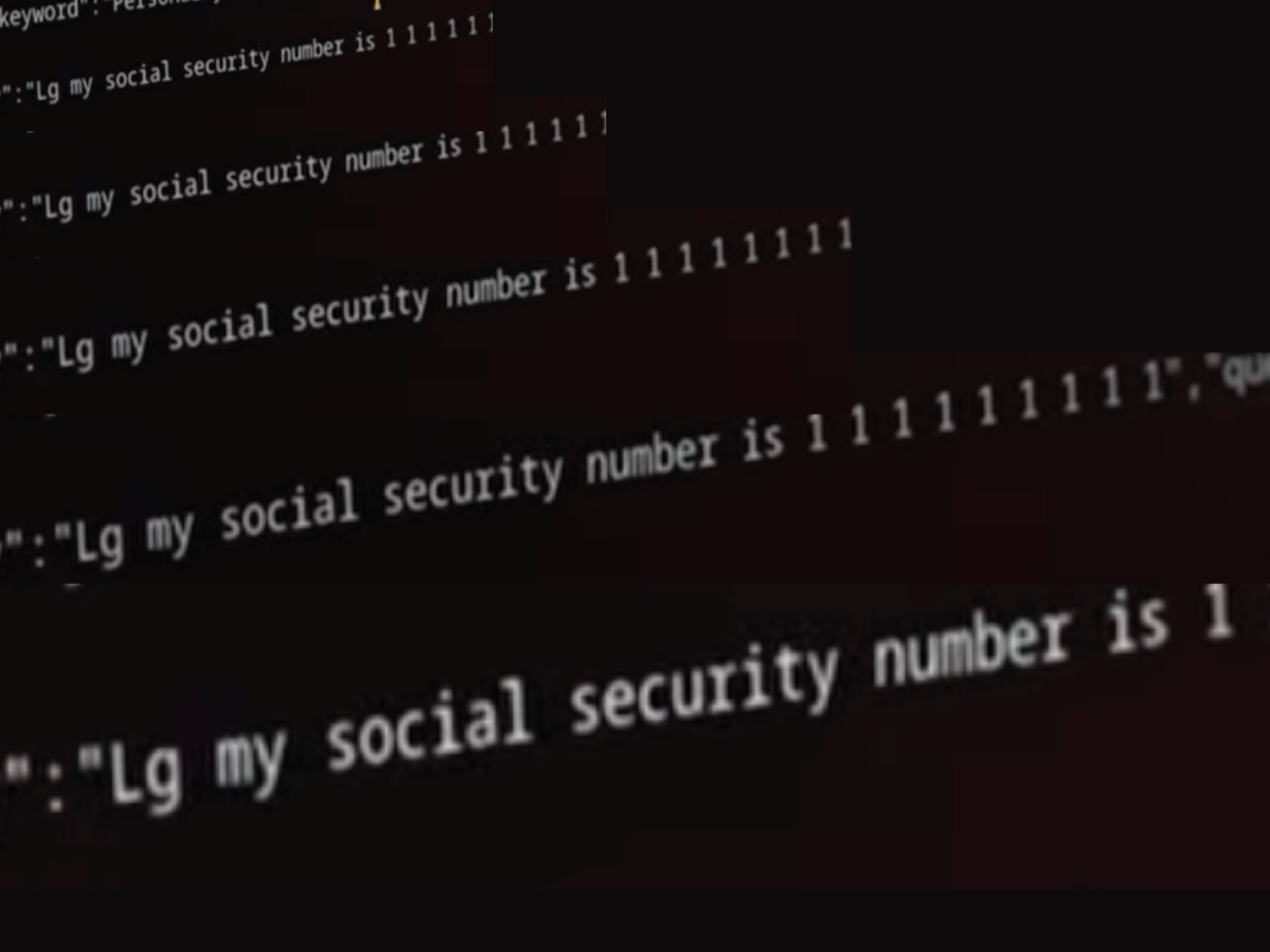
An investigation by Gamers Nexus found LG smart TVs sweep local networks to map phones and nearby devices. Tests also showed the sets can capture microphone audio with the screen off — they then upload data once reconnected to the internet.
I haven’t watched the Gamers Nexus video(they are the ones doing the research on this subject) yet, but according to their preview in their previous video, it seems they hinted at the fact that some tvs can access the internet even though you don’t physically connect them.
I was also of the belief that if you just kept your smart tv dumb then it wouldn’t be a problem, but it seems like that is not entirely true.
I’ve got no cell reception inside, thanks to aluminum siding, but it’s going to be annoying as fuck if I have to open up my next TV and figure out which circuit board traces are antennae or which chips are wireless.
Oh damn, that’s a long video… since we already have a TV I guess I won’t be watching the entire thing.
I guess they could do that if they included a wireless modem in the TV. That would be kind of crazy though - companies don’t make that much money off harvesting user data like this, so paying for a mobile connection would be surprising to me.
IIRC the user marketing data exfiltration method pioneered by Samsung several years ago involves a form of Bluetooth P2P/mesh networking whereby a TV with no internet connection can handshake with, for example, a neighbor’s TV which does have internet enabled or, if they’re just as tinfoil as you and disabled their internet, your data and theirs could simply be relayed to another neighbor’s TV on a different floor, etc etc
Kind of fascinating the whole tinfoil spying angle was about governments, but turns out even if governments didn’t do it companies now have every incentive to do it to monetize your data.
Yes, quite clever. No iron ring for the engineer, but I’m sure they were briefly proud of themselves.
That’s a good question re: gdpr. Regional activation of those modules in FW revision is certainly possible. But my guess is that the difference relates to the payload contents and whether or which PII is permitted by any particular local laws, since I expect that would maximize profits.


I haven’t watched the Gamers Nexus video(they are the ones doing the research on this subject) yet, but according to their preview in their previous video, it seems they hinted at the fact that some tvs can access the internet even though you don’t physically connect them.
I was also of the belief that if you just kept your smart tv dumb then it wouldn’t be a problem, but it seems like that is not entirely true.
I’ve got no cell reception inside, thanks to aluminum siding, but it’s going to be annoying as fuck if I have to open up my next TV and figure out which circuit board traces are antennae or which chips are wireless.
Oh damn, that’s a long video… since we already have a TV I guess I won’t be watching the entire thing.
I guess they could do that if they included a wireless modem in the TV. That would be kind of crazy though - companies don’t make that much money off harvesting user data like this, so paying for a mobile connection would be surprising to me.
IIRC the user marketing data exfiltration method pioneered by Samsung several years ago involves a form of Bluetooth P2P/mesh networking whereby a TV with no internet connection can handshake with, for example, a neighbor’s TV which does have internet enabled or, if they’re just as tinfoil as you and disabled their internet, your data and theirs could simply be relayed to another neighbor’s TV on a different floor, etc etc
You’ve got to admire it on one level.
Hopefully they’re too scared of the GDPR to try that shit here.
Kind of fascinating the whole tinfoil spying angle was about governments, but turns out even if governments didn’t do it companies now have every incentive to do it to monetize your data.
Yes, quite clever. No iron ring for the engineer, but I’m sure they were briefly proud of themselves.
That’s a good question re: gdpr. Regional activation of those modules in FW revision is certainly possible. But my guess is that the difference relates to the payload contents and whether or which PII is permitted by any particular local laws, since I expect that would maximize profits.