
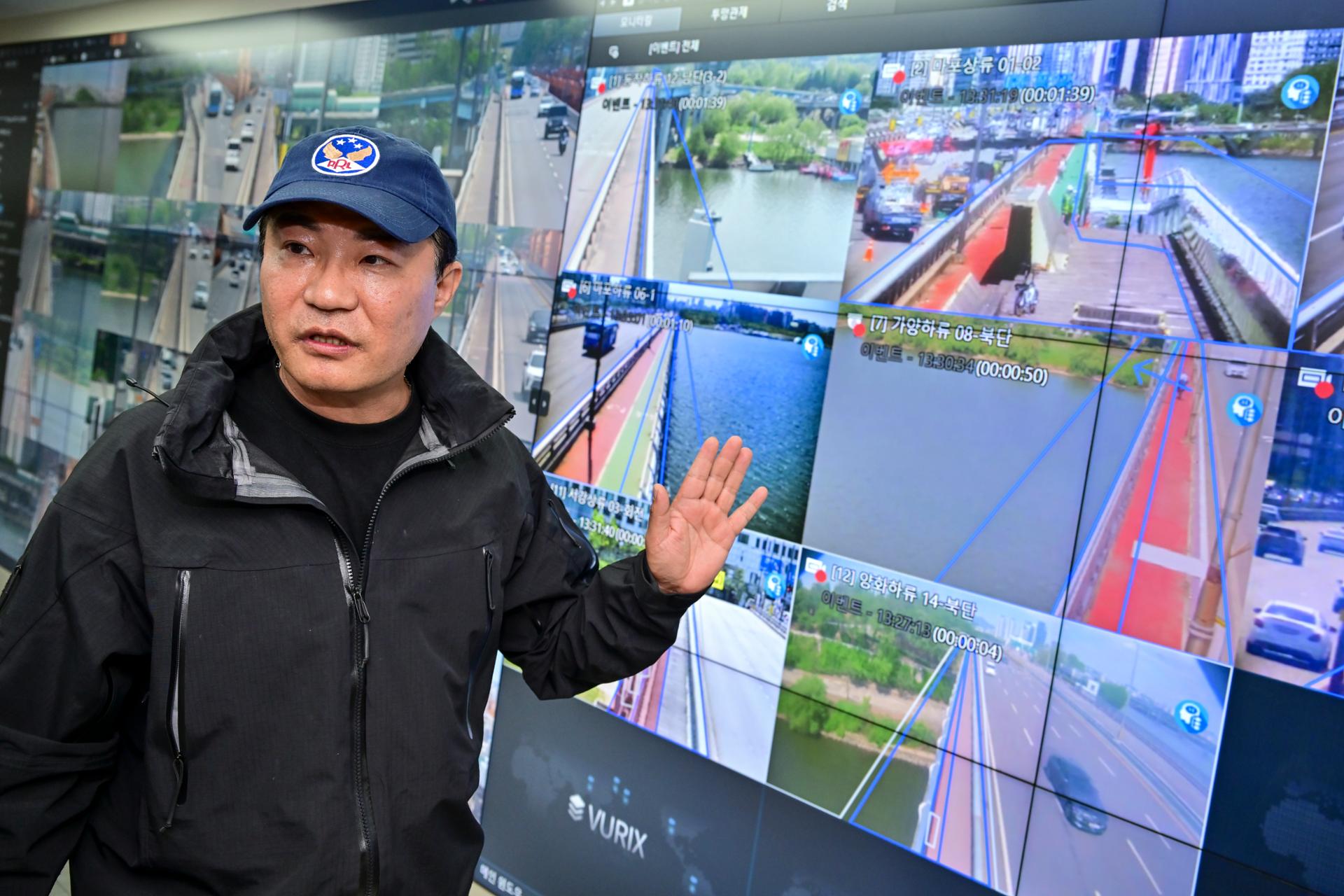
Established in 2021, the center uses artificial intelligence (AI) for comprehensive emergency response, monitoring 900 CCTV cameras across 17 of Seoul’s 21 pedestrian-accessible Han River bridges. Beyond suicide prevention, its most frequent task, the center also handles criminal tracking, traffic accidents and drug enforcement.
…
Much of that credit goes to AI, which triggers an alarm if an object identified as a person remains for more than 300 seconds in a bridge’s “loitering zones,” sections where people are able to stand for extended periods.
Sure, but you need a way to identify whether an object is a person. That’s a lot less simple.
Still don’t need AI for that
There are very few things we as humans “need”.
But a ton of things that make stuff easier. Like using “AI” to detect humans in this case
Wow, you’ve convinced me
Cool, what made you change your mind?
Yes you do, because an object on camera can look a lot of different ways. This is very different from LLMs like ChatGPT. It trains on different images like a Captcha and gets positive reinforcement if it identifies something correctly and negative if it is incorrect.
Machine Learning like this has been in use since the days of early digital computing. There isn’t a more efficient way to achieve something like this.