

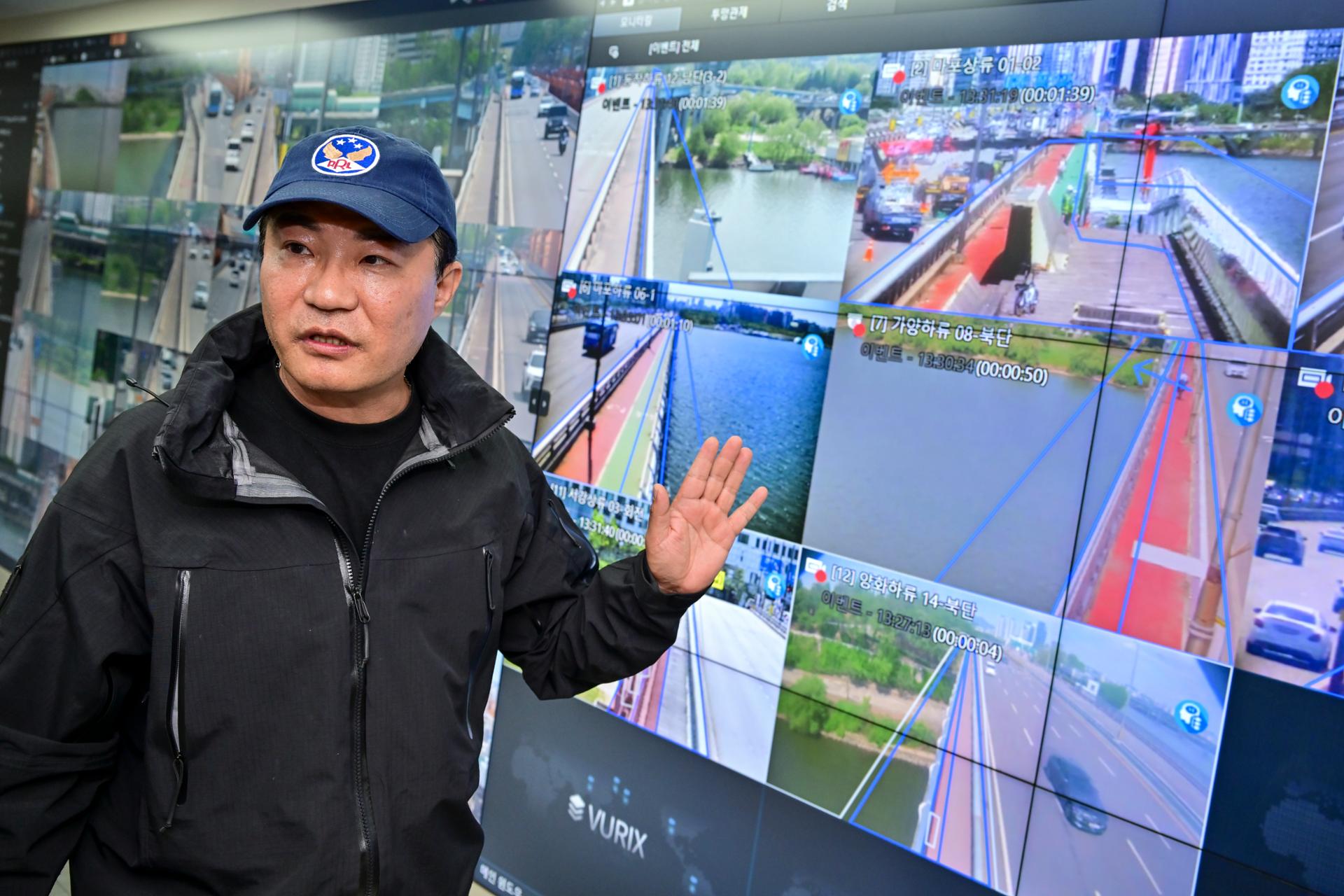
Established in 2021, the center uses artificial intelligence (AI) for comprehensive emergency response, monitoring 900 CCTV cameras across 17 of Seoul’s 21 pedestrian-accessible Han River bridges. Beyond suicide prevention, its most frequent task, the center also handles criminal tracking, traffic accidents and drug enforcement.
…
Much of that credit goes to AI, which triggers an alarm if an object identified as a person remains for more than 300 seconds in a bridge’s “loitering zones,” sections where people are able to stand for extended periods.
Is this one of those things where we’re just calling everything AI? This seems like a script with machine learning object recognition, and definitely not a determination you’d want to leave up to an AI.
Don’t worry, they treat it as a tool, like how people treat doorbell cameras with motion detection.
I guess it would be AI or machine learning specifically with OpenCV and attach it to a pre trained model. I guess that could work and slap on AI for increased price
machine learning is AI