

Everyone, get your update hats on immediately; we’re at DEFCON 1
any machine with at least 16gb RAM
Sometimes being broke ain’t all that bad.
That actually doesn’t seem to be so severe.
How many people download some random archive and then, after extracting it, they double click on the files inside it?
It says the risk of this vuln is arbitrary code execution of a maliciously crafted archive.
After fixing this bug, most 7zip users will still be vulnerable to arbitrary code execution due to maliciously crafted archives.
According to the last paragraph, the vulnerability is in reading the archive itself, not the decompressed contents.
The 7zip format, or the actual 7zip application?
application my man. Literally the first paragraph of the article contains:
If a user simply opens a booby-trapped crafted archive (.7z, .zip, .rar, etc) on a machine with at least 16 GB of RAM, they’ll be running malicious code. Extracting the archive isn’t necessary; only opening it is enough. We recommend that everyone immediately update to the latest version, 26.01, published in late April; all previous versions are vulnerable.
…and because i’m sure people still won’t read the article, this also includes countless things that use 7zip libraries to do zipping actions, including things like file browsers, chocolatey and probably other stuff. 7zip is foss and widely used for all kinds of things t hat go beyond consumer gui usage.
More often than not, I don’t read the article due to a lemming summing it up nicely for us in the comments lol.
That’s exactly why I asked for clarification. Is this an issue with their executable or is it their compression code?
I use Keka for macOS, which uses 7zip’s code for handling .7z archives. So I should probably hope for a quick update from them.
You asked if it was the application or the file format.
Sounds like neither, it’s the compression library.
It’s both - library and apps that use it.
What does it mean to open it in this case?
So the format.
Or did we talk about if just having a file allows remote execution?
It’s not in the 7z compression format, so it might be worth just flagging any file with the ntfs headers for now? I would like to think that av companies could add that.
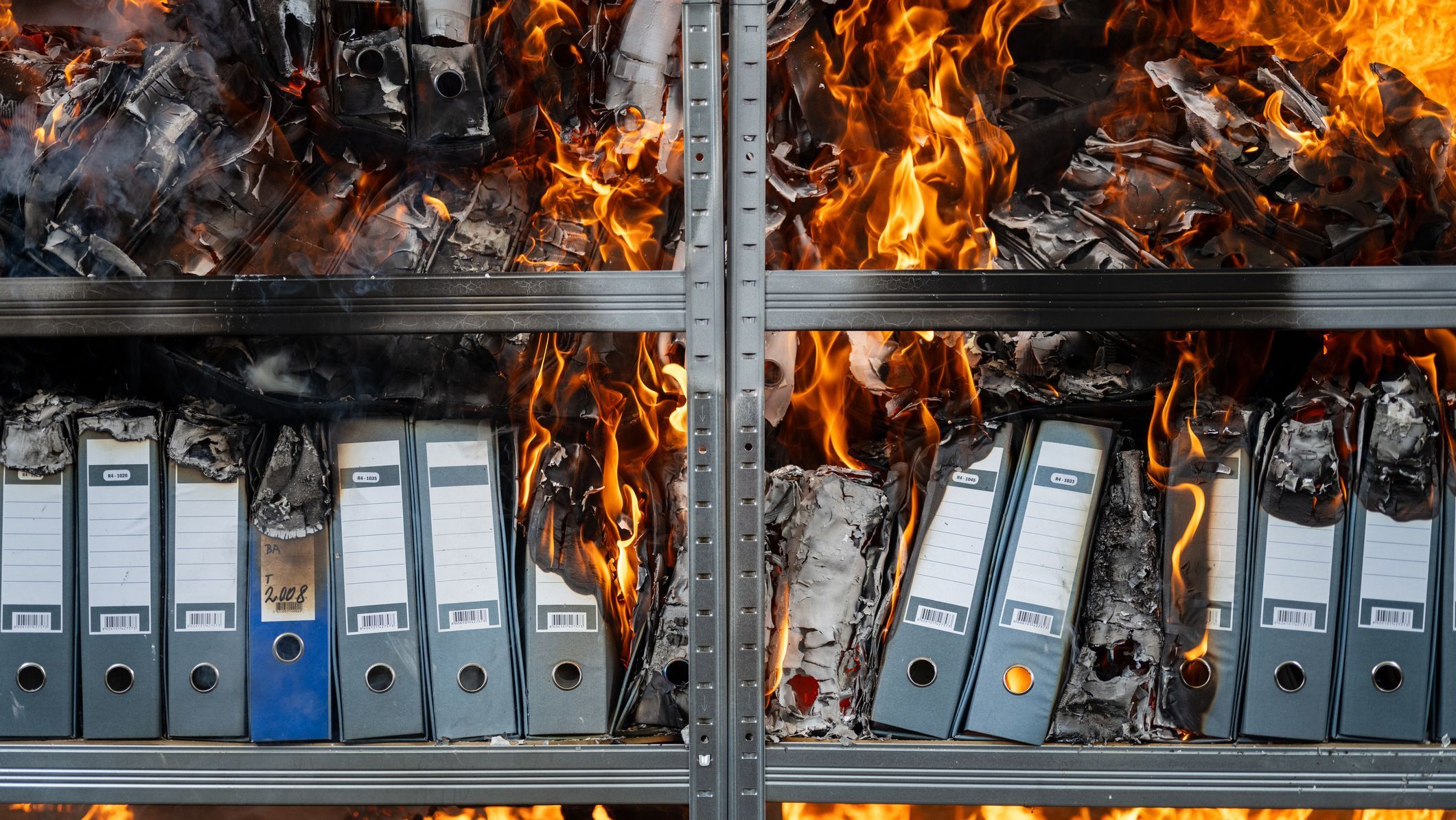
As an archivist, that image makes me very sad
Another cataclysmic 7zip vuln??? It’s been less than 6 months!
- high performance legacy software like this often uses low-level languages like c, c++, and assembly
- these low-level languages are extremely powerful but require manual management of memory
- that memory management is a common place where bugs like this can be found. This vulnerability is a memory overflow
This kind of bug’s severity and how easily it is to accidentally introduce is why many high performance applications are moving to the rust programming language, which was specifically designed to try and prevent/minimize memory bugs.