If you’re quitting because of this, it probably means you have a buy-to-let mortgage, quite possibly on a long term/interest only. You might therefore not get that much back, and what you do get back is essentially a liquidation of your savings asset.
But I guess what you’re getting at seen another way is that it’s nice when your savings can pay enough for you to retire.
If you had a fixed interest only mortgage from several years ago that is now expiring you are also about to get fucked by the increased interest rates. Not as bad as they were a few years ago but could still be a lot worse than a decade ago.
No need to feel any sympathy for them, they are still making a shitload of money for little to no actual work from the whole thing.
Why do you think that this will result in there being more corporate landlords? I don’t think people think that is true, so I don’t think they have an opinion on whether they’ll be better or worse.
You overlooked the most important outcome: landlords selling property to individuals who will live there.
This is a good thing because it reduces property prices, moves the market away from rentier capitalism towards people owning their own homes, and reduces economic inequality and insecurity.
Do you have a source showing that it is happening in the UK at a greater rate than former rental properties are being sold to people who will live in them?
Right, but if landlords are exiting the market that probably means they are selling to someone who wants to live there, meaning rental properties are going off the market. Which is good for first time homebuyers but bad for renters. Either that or this is just landlords consolidating which which wont make much of a difference either way.
The first time buyer was previously renting though, so the renter could go there. Total number of people and houses hasn’t changed in this simplified example.
Right but a lot of renters cannot or do not want to buy property. Thus, rental units leaving the market creates a supply demand imbalance in the rent market, driving up prices (and driving down property prices, for the inverse reason)
Plenty of renters do want to buy and house prices coming down would allow that for some of them. If no one buys it and the landlord wants to sell, all they can do is lower the price until someone does buy it.
Right. We are in agreement that this should cause some reduction in property prices.
But not all renters are able to buy property. Here’s an extreme example - lets say 99.9% of landlords are forced to sell their rental homes. There are now just 100 units left in all of London.
There are 10000 students who need a temporary place to stay, and another 10000 people that have bad credit and cant get a mortgage. What will happen to rental prices?
Then who will buy those properties? If we have 100 houses for 100 groups of people, mixed renting and owning. Then 20 landlords sell. Who are they selling to if no one can afford it?
When someone decides to sell a good because market conditions have changed, the price of the good goes down.
Rental prices are proportional to overall housing prices. In general, more homeowners is correlated with lower rents. Renters are also removed from the market.
When someone decides to sell a good because market conditions have changed, the price of the good goes down
Yes i agree with that part
Rental prices are proportional to overall housing prices. In general, more homeowners is correlated with lower rents. Renters are also removed from the market.
That is correlation without causation. When there isn’t enough housing, rent and property prices will both be high. However, if properties get taken off the rental market and are put up for sale instead, with no changes to population or overall housing supply, that is going to drive up rental prices. There will be fewer people renting, by necessity, but the people who want or need to rent will not change by as much, creating an imbalance between supply and demand that will drive up rental prices.
Not to mention another thing we haven’t touched on which is why landlords are leaving in the first place. Those who remain in the now-less-profitable environment may try to raise rent to compensate.
There will be fewer people renting, by necessity, but the people who want or need to rent will not change by as much, creating an imbalance between supply and demand that will drive up rental prices.
Why would demand not change by as much as supply, if both a buyer and a seller have been removed from the rental market? It’s like landlords being forced to sell to tenants at a reduced price.
Because having your rental unit taken away from you does not remove you from the rental market. You might consider leaving the rental market and buying property if housing prices collapse, but outside of that most people are going to have to look around for a new rental unit in a now tighter market.


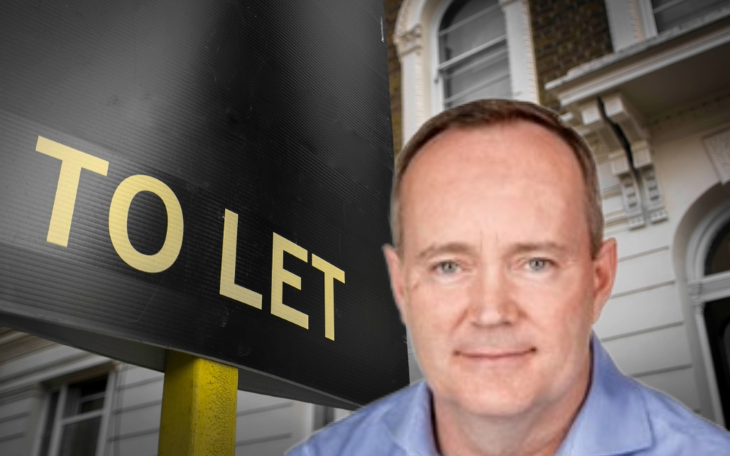
How does a landlord quit?
They own the property, don’t they?
I imagine they’re either selling their properties to corporations or hiring someone to manage the rentals for them.
Quitting means selling, yes.
I wish quitting meant a six figure windfall in my profession…
If you’re quitting because of this, it probably means you have a buy-to-let mortgage, quite possibly on a long term/interest only. You might therefore not get that much back, and what you do get back is essentially a liquidation of your savings asset.
But I guess what you’re getting at seen another way is that it’s nice when your savings can pay enough for you to retire.
If you had a fixed interest only mortgage from several years ago that is now expiring you are also about to get fucked by the increased interest rates. Not as bad as they were a few years ago but could still be a lot worse than a decade ago.
No need to feel any sympathy for them, they are still making a shitload of money for little to no actual work from the whole thing.
Do people think the corporate landlords will be better?
Eh?
Why do you think that this will result in there being more corporate landlords? I don’t think people think that is true, so I don’t think they have an opinion on whether they’ll be better or worse.
You overlooked the most important outcome: landlords selling property to individuals who will live there.
This is a good thing because it reduces property prices, moves the market away from rentier capitalism towards people owning their own homes, and reduces economic inequality and insecurity.
They’re going to get sold to corporations who rent out even higher with no value add
Source?
the source is the general trend in housing industry over the last 20-30 years, hedge funds and private equity trying to monopolize housing.
usually turning them into vacation rentals (airbnb) or luxury rentals (tech bro homes).
it’s happening in every rich country (g8, etc), and probably poor countries soon, if not already.
Do you have a source showing that it is happening in the UK at a greater rate than former rental properties are being sold to people who will live in them?
Yeah I would imagine this would lead to slightly reduced property prices and increased rent prices as the market adjusts.
They were already renting, and when someone sells that pushes the property value down.
Right, but if landlords are exiting the market that probably means they are selling to someone who wants to live there, meaning rental properties are going off the market. Which is good for first time homebuyers but bad for renters. Either that or this is just landlords consolidating which which wont make much of a difference either way.
The first time buyer was previously renting though, so the renter could go there. Total number of people and houses hasn’t changed in this simplified example.
Right but a lot of renters cannot or do not want to buy property. Thus, rental units leaving the market creates a supply demand imbalance in the rent market, driving up prices (and driving down property prices, for the inverse reason)
Plenty of renters do want to buy and house prices coming down would allow that for some of them. If no one buys it and the landlord wants to sell, all they can do is lower the price until someone does buy it.
Right. We are in agreement that this should cause some reduction in property prices.
But not all renters are able to buy property. Here’s an extreme example - lets say 99.9% of landlords are forced to sell their rental homes. There are now just 100 units left in all of London.
There are 10000 students who need a temporary place to stay, and another 10000 people that have bad credit and cant get a mortgage. What will happen to rental prices?
Then who will buy those properties? If we have 100 houses for 100 groups of people, mixed renting and owning. Then 20 landlords sell. Who are they selling to if no one can afford it?
They have to reduce the price until someone can.
When someone decides to sell a good because market conditions have changed, the price of the good goes down.
Rental prices are proportional to overall housing prices. In general, more homeowners is correlated with lower rents. Renters are also removed from the market.
Yes i agree with that part
That is correlation without causation. When there isn’t enough housing, rent and property prices will both be high. However, if properties get taken off the rental market and are put up for sale instead, with no changes to population or overall housing supply, that is going to drive up rental prices. There will be fewer people renting, by necessity, but the people who want or need to rent will not change by as much, creating an imbalance between supply and demand that will drive up rental prices.
Not to mention another thing we haven’t touched on which is why landlords are leaving in the first place. Those who remain in the now-less-profitable environment may try to raise rent to compensate.
Why would demand not change by as much as supply, if both a buyer and a seller have been removed from the rental market? It’s like landlords being forced to sell to tenants at a reduced price.
Because having your rental unit taken away from you does not remove you from the rental market. You might consider leaving the rental market and buying property if housing prices collapse, but outside of that most people are going to have to look around for a new rental unit in a now tighter market.
It does remove another renter, though. The market would only be tighter if they reduced supply by more than demand.