
- cross-posted to:
- technology@lemmy.world
- games@lemmy.world
I don’t get Sony argument at all the concept has been clear for decades in the art world. The game we purchase is just like a print of a painting and we own the print. They own the original and the artist still owns the copy right and can make more prints off that original. I can turn around and sell my print without selling the original.
Same with books. I buy a copy of the book, I don’t buy “The Book”. I purchase an item that contains a copy of the book and I own that item, but I can’t claim that I wrote that book and that I have copy rights of it because I didn’t buy the rights of it.
We could do the same but you know, GREED.
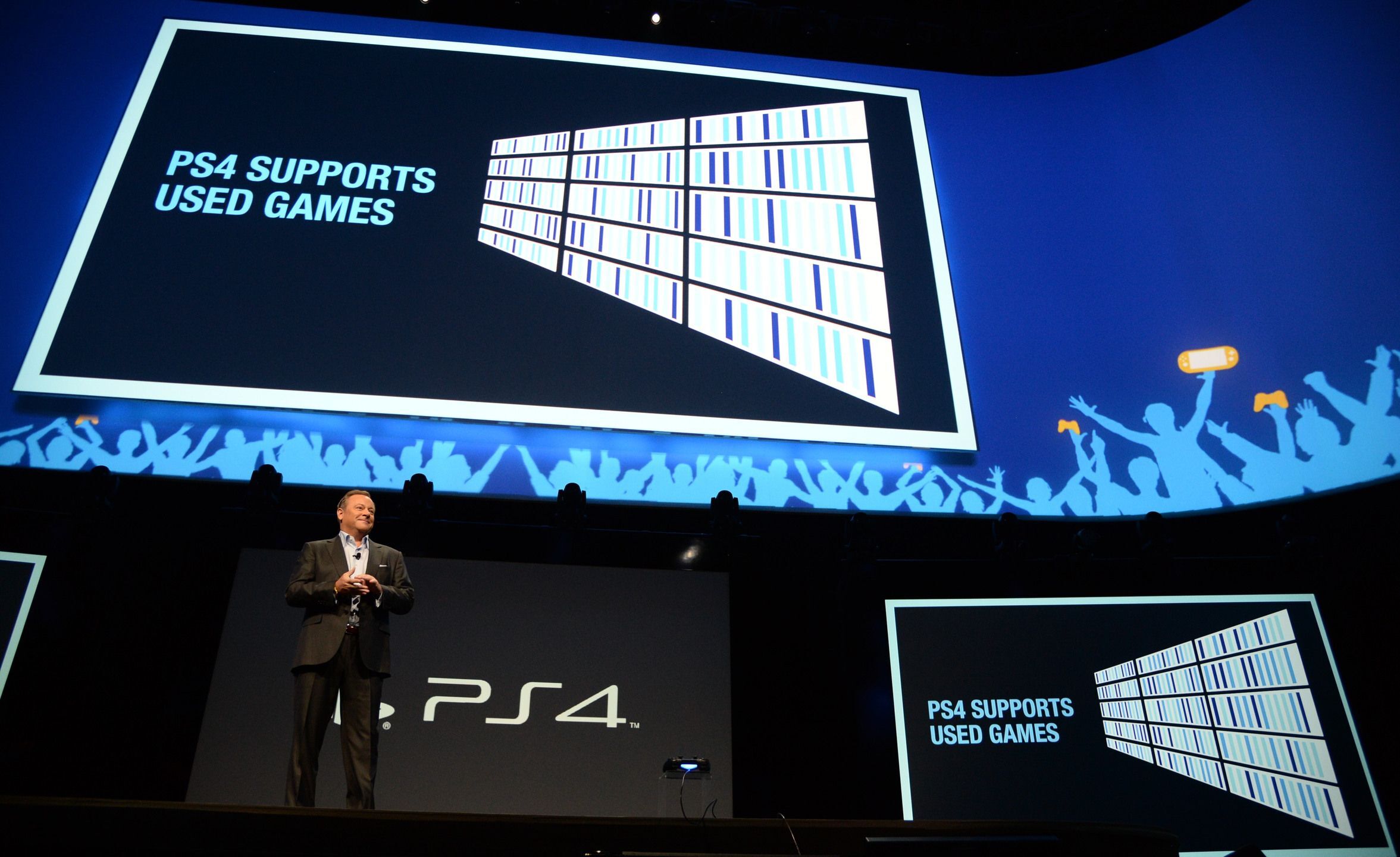
Heh, used games, like if a game can be “used”.
Well, if they called them “previously owned”, it’d undermine their current attempts at fraud.
Used undermines it too. Their argument is that only one game exists, so you can’t sell a used one.
Yes, but they’re banking on “used” sneaking right past the bullshit filters. At least, they were. 🤞🏼
Back in the before times, you could trivially wear out the media. A floppy disk only lasted so long, a CD could get scratched and damaged.
Just like a book can wear out in another thread.
The content of said medium is information and that doesn’t “get used up”.
I’ll give Tom’s Hardware credit for good coverage on this one, no BS, and labeling it news and not an editorial.
If purchasing isn’t owning, then pirating isn’t a copyright violation.
(let alone stealing, which CVs never were.)
(You wouldn’t violate the copyrights of a bear.)
ETA: Maybe, just maybe, if a more enlightened age emerges from this fine mess, we’ll actually get some consumer protections regarding digital property, such as guarantees to host downloadable content for a minimum timeframe, and the right and mechanism by which to transfer ownership.