Search results are useless, AI is poisoning Wikipédia. While I do have the patience to read primary sources in my field of study, it becomes a nightmare to repeat this process for every bit of information I want.
I’m almost signing up for Encyclopedia Britannica. I don’t know what else to do.
AI is poisoning Wikipédia.
Huh?
Yeah I don’t get that. Wikipedia is a fine source.
Wikipedia has an army of human writers that probably don’t take too kindly to AI.
It’s actually about 15 people that mostly maintain it.
[citation needed]
Anyone can make edits, but it’s mostly done by a handful of people.
This guy for example created 1/3rd of the articles.
https://youtu.be/JhNczOuhxegThat guy has made edits to a third of pages. Minor ones like making sure articles conform to the style guide.
Wikipédia is fighting an ongoing and ever increasing issue of collaborators pushing AI text into articles, which contain false information.
EDIT: Why the downvotes? Your misinformation is not my fault:
1 in 20 new Wikipédia pages contain AI-generated text: https://www.newscientist.com/article/2454256-one-in-20-new-wikipedia-pages-seem-to-be-written-with-the-help-of-ai/
Wikipédia attempts to maintain a task force to clean the articles poisoned by AI: https://en.wikipedia.org/wiki/Category:Articles_containing_suspected_AI-generated_texts
AI translations are poisoning non-EN Wikipédia: https://wistkey.medium.com/ai-translations-are-poisoning-wikipedia-and-putting-minority-languages-at-risk-c4539984734c
AI “contributions” are bringing up recycled information and fake sources, and the human verification often fails: https://media.ccc.de/v/39c3-ai-generated-content-in-wikipedia-a-tale-of-caution
But sure, keep downvoting me and ignoring the issue, geniuses.
And there’s corporations pushing agendas into primary sources. And there’s lying liars who lie for lying’s sake.
If you’re going to draw the line at “unassailable truth” then you’re doing all the work yourself.
If you’re going to draw the line at “unassailable truth” then you’re doing all the work yourself.
and since that’s virtually impossible, then perhaps one simply shouldn’t trust any news at all.
Or anything ever. The present is just a fiction made up to explain the current chemical state of your mind.
Or we could be reasonable. I guess that’s a second option.
The present is just a fiction made up to explain the current chemical state of your mind.
We have no free choice. Life has no meaning.
deleted by creator
really you don’t. you read forum posts and try to guess to what degree the information is credible.
deleted by creator
the problem is finding those forum posts
Google doesn’t return them anymore. I have much more luck with duckduckgo when I want to find an answer to a specific question
You don’t really.
Skepticism is a practiced skill, rather than just “being skeptical”, you can learn how to assess credibility of a source, and develop a habit of doing so.
I quite like skeptics guide to the universe podcast. Although I admit I usually skip chunks of each episode.
Another avenue is researching about cognitive biases. We all do it.
Use the Google flag of “before:2022” added to any search. This will limit returned results to only those captured before 2022, which is when AI slop feedback started. Obviously this doesn’t work for current events, but if the data you’re looking for doesn’t need to be recent it can be useful.
Example:
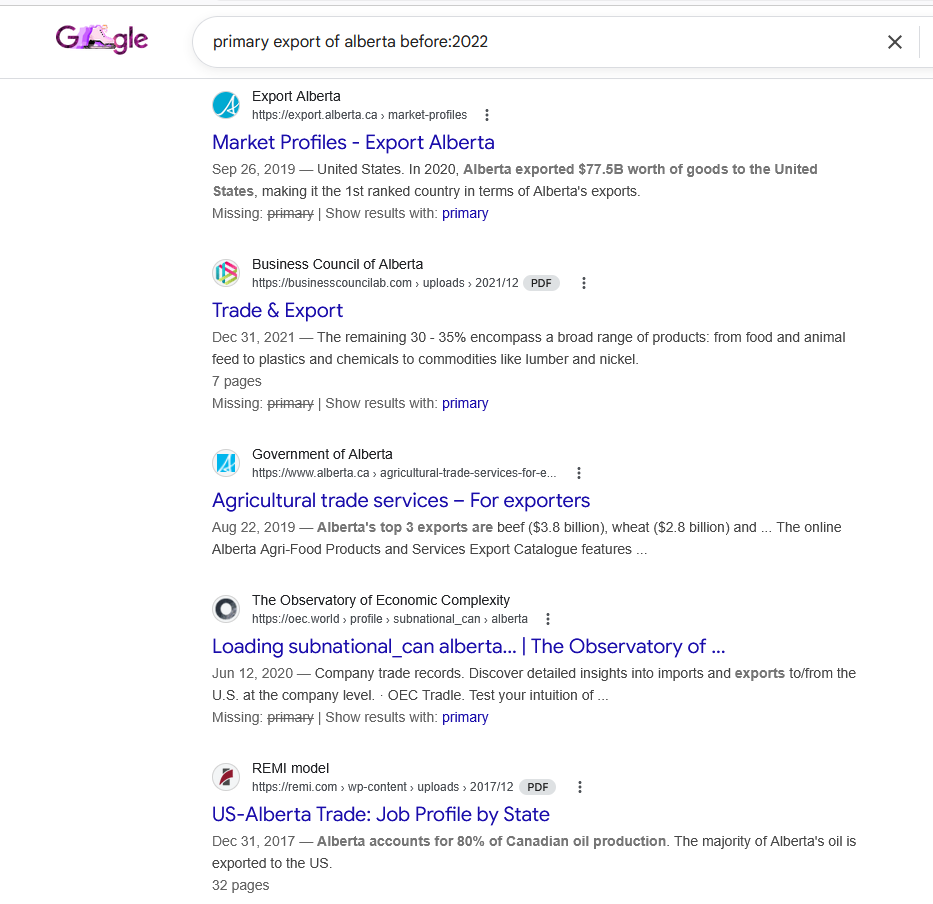
this actually did show me slightly better results, although the results were nowhere near a slam dunk.
Nothing is a panacea against slop, but for general search, I’ve become a huge fan of Kagi. Gave up Google years ago, went to DDG, but Kagi is a cut above. There is a subscription fee, however. (Not shilling - no association with them, just a happy user).
What kind of information are you looking for?
I just follow you around and read what you throw out.
The uncomfortable truth is that we lived through a very unique golden age of veracity. The photograph and later video completely revolutionized and changed the whole idea of what knowledge and verification were. Prior to indisputable photographic evidence, word and reputation carried more weight as often they were the strongest evidence towards the truth. AI has kind of us returned us to that stage, weirdly making the period of veracity we considered permanent instead a comparative blip in human history.
deleted by creator
For news: the Bylines network in the UK. They have a source checker for every article.
Similar to the top comment, I learned leftist political theory (mindset in their case). Once you understand what capitalism and socialism truly are, you have almost like a shield to protect you from certain propaganda. This sounds arrogant, but its genuinely been my experience
I don’t know if it’s a location as much as a mindset for me.
I look for fallacies and falsehoods and should they arise at rates that would be hard to chalk up as honest error, I stop trusting the source.
I don’t. I ignore the news to the best of my ability. I can’t be misinformed if I’m not informed in the first place.
RSS ( multiple sources for current events) , Wikipedia, and forums.
When I hear news and I’m unsure of the validity of it, I Google and under the news section, if there are multiple articles from various different sources talking about it, I figure it’s true